
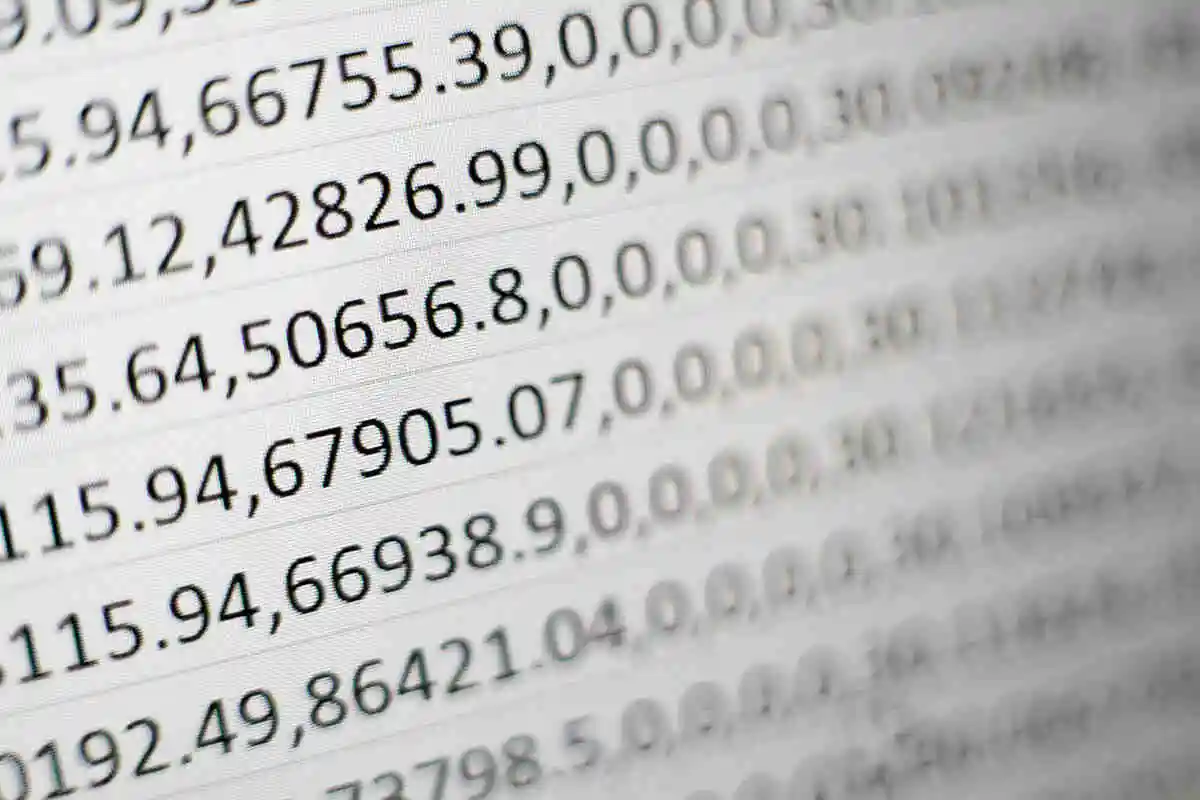
Data collection and analysis are the core of your research. The accuracy and reliability of your data influence the credibility of your findings. This phase requires careful planning, ethical practices, and appropriate analysis methods.
Data Collection Essentials
- Choosing Tools: Surveys, interviews, focus groups, or experiments.
- Pilot Testing: Test your instruments to refine questions and ensure clarity.
- Ethics: Obtain informed consent and protect participant privacy.
Cleaning and Preparing Data
- Remove inconsistencies and correct errors.
- Handle missing data appropriately.
- Organize your data in a format ready for analysis.
Analyzing Your Data
- Quantitative: Use software like SPSS, Excel, or R for descriptive and inferential analysis.
- Qualitative: Apply thematic coding using NVivo or manual methods.
- Interpret your findings with reference to your research objectives.
Presenting Results
Use tables, charts, and figures to make findings clear. Summarize key trends and link them to your research questions. Always maintain objectivity when discussing results.
Need Help with Data Collection or Analysis?
At UTAFITI BORA, we support you through the entire data process, from designing tools to interpreting results.
Contact us today to make your data work for your thesis!
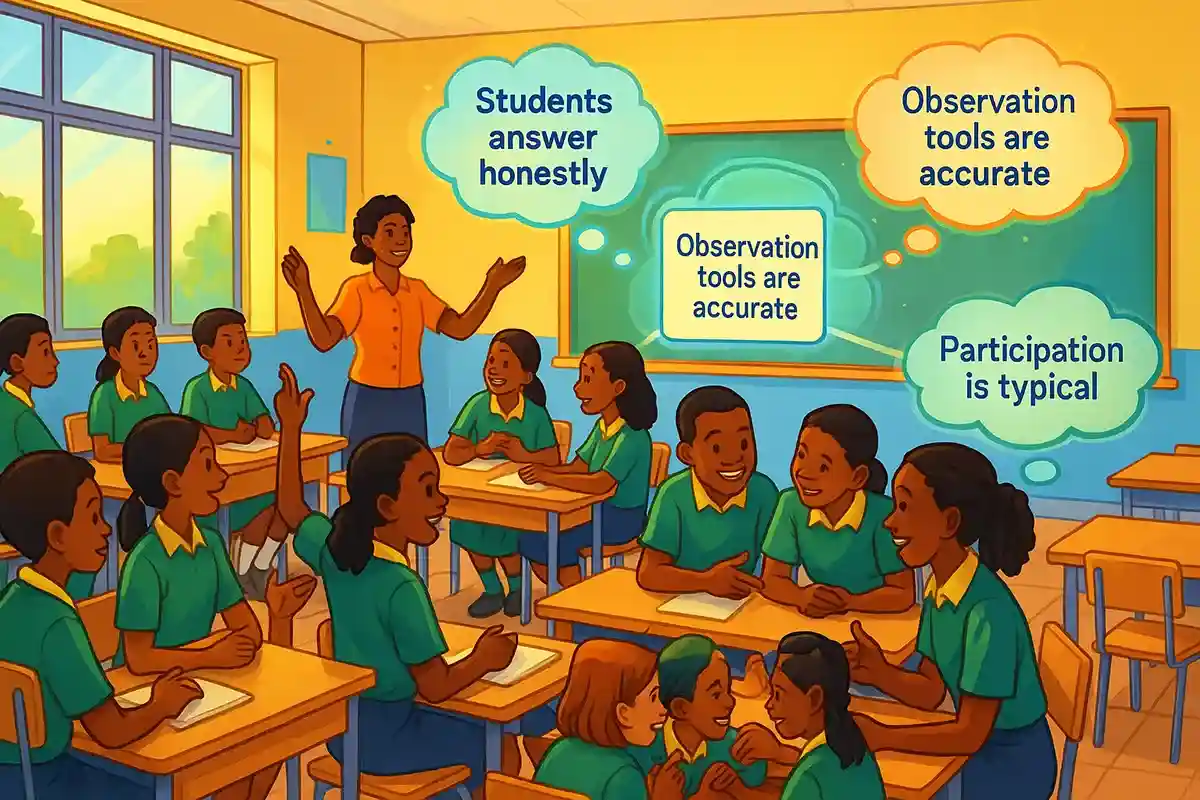 Understanding Research Assumptions: Insights from Seating and Participation in Nairobi Schools
 How to Write the Scope of the Study in Academic Research (With Example)
 Justification of the Study: A Practical Guide with Examples