

A well-developed research proposal is the foundation of every successful academic project—whether at the Master's or PhD level. It not only outlines your research plan but also convinces your supervisor or funders that your study is feasible, relevant, and academically sound.
1. Start with a Clear Concept
Define your research problem in one sentence. Ask:
- What issue am I addressing?
- Why is it important?
- Who is affected?
2. Set SMART Objectives
Your research objectives should be: Specific, Measurable, Achievable, Relevant, and Time-bound. They must align with your research questions and guide your methodology.
3. Review Relevant Literature
Conduct a focused literature review. Identify:
- Existing research
- Gaps you will fill
- Theoretical frameworks that guide your study
4. Choose the Right Methodology
Clarify:
- Research design (qualitative, quantitative, or mixed)
- Data collection tools (questionnaires, interviews, etc.)
- Sampling methods and sample size
- Data analysis plan (e.g., SPSS, thematic analysis)
5. Structure the Proposal Properly
Most universities follow this outline:
- Title
- Background/Introduction
- Problem Statement
- Objectives & Research Questions
- Literature Review
- Methodology
- Significance of the Study
- Ethical Considerations
- References (APA, MLA, etc.)
6. Polish and Align
Before submission:
- Check formatting guidelines
- Proofread for grammar and logic
- Ensure consistency between objectives, questions, and tools
Need Help Developing a Proposal?
At UTAFITI BORA, we help you move from concept to completion—formulating your topic, aligning methodology, and delivering a professionally written proposal.
Get in touch today to start your academic journey strong!
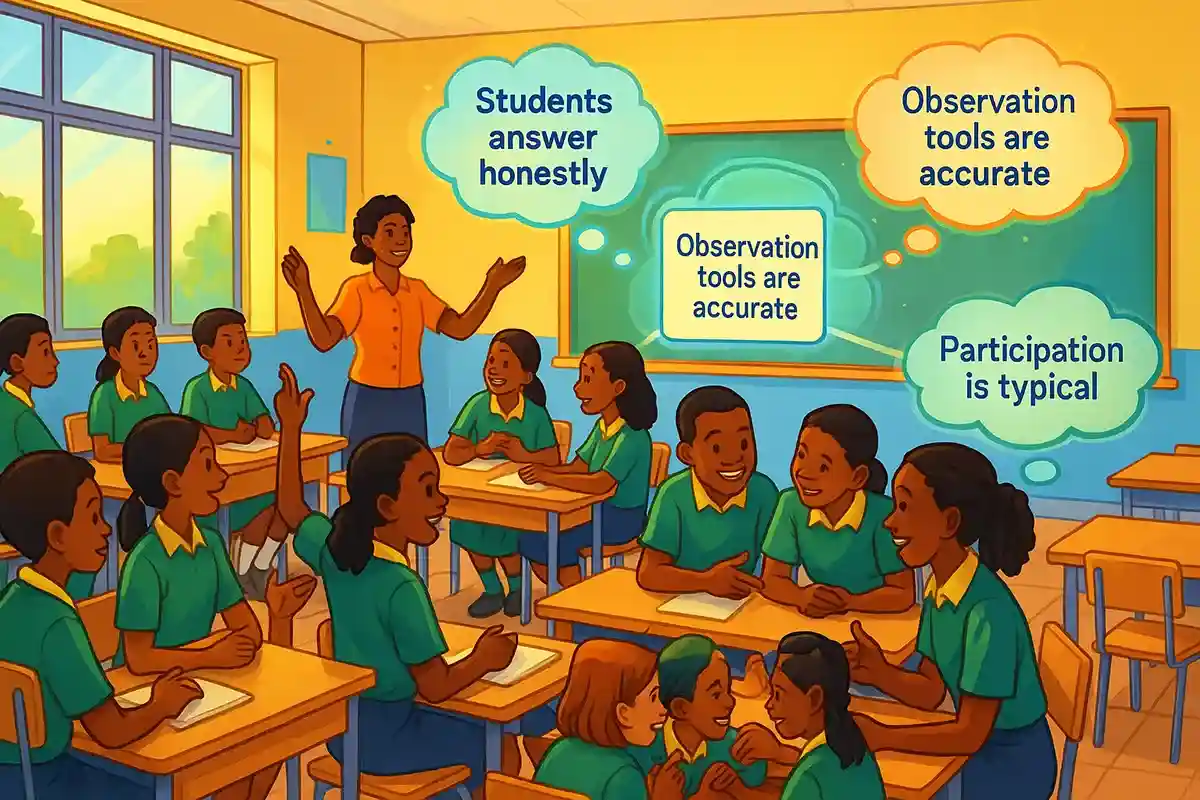 Understanding Research Assumptions: Insights from Seating and Participation in Nairobi Schools
 How to Write the Scope of the Study in Academic Research (With Example)
 Justification of the Study: A Practical Guide with Examples