

A well-structured thesis helps readers navigate your work and understand your arguments. Consistent organization reflects your attention to detail and ensures you meet institutional or publication standards.
Key Elements of a Thesis Document
Most theses follow this basic structure:
- Title Page: Includes your title, name, institution, and date.
- Abstract: A summary of your research questions, methods, and key findings.
- Table of Contents: Lists chapters and sections for easy navigation.
- Chapters: Introduction, literature review, methodology, results, discussion, and conclusion.
- References: A complete, formatted list of all sources cited.
- Appendices: Additional materials like survey instruments or data tables.
Formatting and Style
- Follow your institution’s guidelines (margins, fonts, and spacing).
- Use consistent heading levels and numbering.
- Ensure figures and tables are clearly labeled and referenced.
Final Tips
- Proofread carefully to catch errors in logic and language.
- Seek feedback on flow and clarity from your supervisor or peers.
- Remember: a logical structure makes your arguments stronger and easier to follow.
Need Help Organizing Your Thesis?
At UTAFITI BORA, we help students structure and format their theses to meet the highest academic standards.
Contact us today to give your thesis a professional edge.
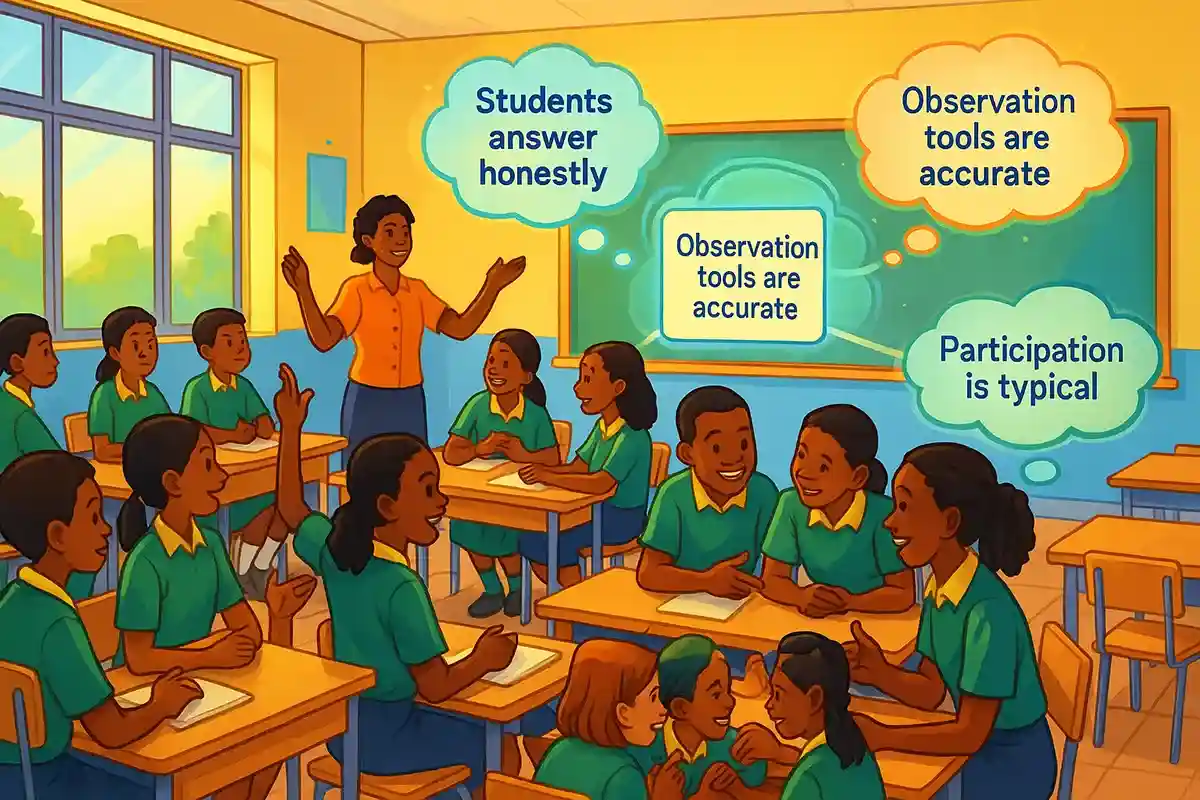 Understanding Research Assumptions: Insights from Seating and Participation in Nairobi Schools
 How to Write the Scope of the Study in Academic Research (With Example)
 Justification of the Study: A Practical Guide with Examples